10 Essential Tips for Building Your Perfume Collection in 2026
Understanding Your Fragrance Preferences
When it comes to curating a Perfume Collection, understanding your fragrance preferences is key to ensuring that you select scents that resonate with your personality and lifestyle. Fragrances are not just a way to smell good; they can evoke emotions, trigger memories, and express individuality. With countless options available, a well-defined fragrance preference makes the selection process more enjoyable and satisfying.
What Are the Different Types of Perfumes?
Perfumes can be broadly categorized into several types based on their concentration and longevity. The most common types include:
- Eau de Parfum (EDP): Contains around 15-20% fragrance oil, providing a strong scent that lasts longer. Ideal for special occasions.
- Eau de Toilette (EDT): Has a concentration of about 5-15% fragrance oil, making it lighter and perfect for everyday wear.
- Eau de Cologne (EDC): Typically contains 2-4% fragrance oil, offering a refreshing option with a shorter lifespan.
- Extrait de Parfum: The most concentrated form, featuring 20-40% fragrance oil for a luxurious scent experience.
Identifying Your Signature Scent Profile
Your signature scent should reflect who you are. To identify your perfect match, consider the following factors:
- Personal Style: Are you more classic, adventurous, or modern? Your scent should resonate with your overall style.
- Seasonal Influences: Certain scents are more suitable for specific seasons; lighter scents work well in summer, while richer fragrances are perfect for winter.
- Occasions: Think about where you’ll wear your fragrance. A bold scent may be suitable for an evening out, while softer scents can be perfect for daily activities.
Exploring Popular Fragrance Families
Understanding fragrance families can help you select scents that align with your tastes. The main families include:
- Floral: Romantic and often feminine, floral fragrances are derived from blooming flowers.
- Woody: Earthy scents with notes of woods and resins, typically associated with masculinity.
- Oriental: Rich, exotic fragrances that often include spices and warm notes.
- Fruity: Sweet and playful scents that feature fruity notes like berries and citrus.
Curating a Diverse Perfume Collection
A well-rounded perfume collection should encompass a variety of scents that suit different moods, occasions, and seasons. By curating a diverse selection, you ensure that you have the perfect fragrance for any situation.
Choosing Top Brands for Quality
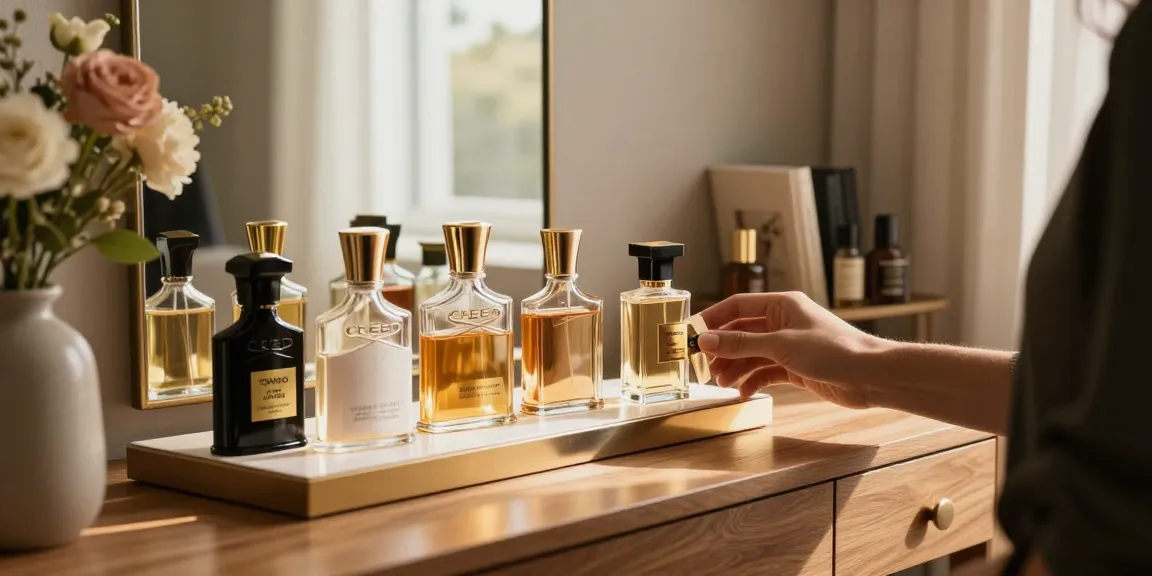
Investing in quality perfumes is essential. Brands like Creed, Maison Francis Kurkdjian, and Tom Ford are renowned for their craftsmanship and unique fragrance profiles. These brands offer a mix of classic and innovative scents that appeal to a wide range of preferences.
Balancing Niche and Designer Fragrances
While designer fragrances are often popular, niche brands offer unique and distinctive scents that set them apart. Consider incorporating both into your collection for a well-rounded experience. Niche fragrances frequently explore unconventional notes and themes, providing a refreshing alternative to mainstream options.
Must-Have Perfume Samples for Beginners
For beginners, sampling is crucial. Purchasing sets of samples allows you to explore various scents without committing to full bottles. Look for sample sets from well-known brands to help you discover what resonates with your olfactory senses.
Tips for Selecting the Right Perfume
Choosing the right perfume can be overwhelming given the multitude of options available. However, a few guiding tips can streamline the process:
Understanding Notes and Their Impact
Fragrances are composed of notes that unfold over time. The three primary layers are:
- Top Notes: The initial scents perceived when applying the perfume, usually light and refreshing.
- Middle Notes: Developing scents that emerge after the top notes dissipate, often forming the heart of the fragrance.
- Base Notes: The lingering scents that provide depth, lasting several hours after application.
Testing Perfumes: How to Get It Right
When testing fragrances, apply them to your skin rather than relying on scent strips. Allow the perfume to develop over several hours to fully appreciate its evolution. Consider how it interacts with your body chemistry, as this can significantly alter its scent.
Seasonal Considerations for Perfume Selection
Seasonality plays a crucial role in fragrance preference. In warmer months, lighter and fresher scents tend to be more appealing, while heavier and more complex fragrances are favored during colder seasons. Consider adjusting your collection to reflect this seasonal shift.
Maintaining Your Perfume Collection
Maintaining your fragrance collection is essential for preserving its quality and longevity. Here are some best practices:
Storage Best Practices for Longevity
Store your fragrances in a cool, dark place away from direct sunlight and heat sources. Temperature fluctuations can deteriorate the integrity of the perfume. Keeping bottles upright is recommended to prevent leakage or contamination.
When to Declutter Your Perfume Collection
Regularly review your collection and declutter perfumes that you no longer wear or enjoy. This process not only creates space but also keeps your selection fresh and relevant. If a scent has aged or changed color, it may be time to part with it.
How to Refresh Older Fragrances
If you have older perfumes that seem to have lost their charm, try layering them with complementary scents or mixing them with a neutral base to freshen them up. This can revive your experience and provide new olfactory adventures.
Future Trends in Perfume Collections
The fragrance industry continues to evolve, influenced by technology, consumer preferences, and sustainability efforts. Here’s a glimpse into future trends:
Emerging Fragrance Technologies in 2026
As technology advances, the perfume industry is likely to witness innovations such as virtual scent experiences and augmented reality applications for consumers to explore fragrances in new ways. These technological integrations can significantly enhance how people discover and select perfumes.
Eco-Friendly Trends in Perfume Packaging
With the global push for sustainability, eco-friendly packaging is becoming a priority for fragrance brands. Expect to see more recyclable materials, refillable options, and reduced plastic usage in the coming years.
The Rise of Personalized Fragrance Experiences
Consumers are increasingly seeking personalized fragrance experiences. Brands that offer bespoke options—allowing customers to create unique scent profiles tailored to their preferences—will likely become more prevalent.
What is a perfume collection?
A perfume collection is a curated selection of fragrances that reflects an individual’s tastes, preferences, and personality. It goes beyond mere acquisition to include an appreciation for various scents and their emotional significance.
How to build a perfume collection?
Building a perfume collection involves exploring various fragrance families, investing in quality products, and continuously expanding your selection based on new finds and personal experiences.
What are the best perfumes to start a collection?
Beginner collectors should consider timeless classics and versatile fragrances that can be worn for multiple occasions. Options like Chanel No. 5 or Dior Sauvage are great starting points.
How do I choose a signature scent?
Selecting a signature scent requires understanding your fragrance preferences and experimenting with different notes and brands to find a fragrance that truly resonates with you.
What factors affect perfume longevity?
Several factors influence how long a fragrance lasts, including its concentration, the type of notes used, skin chemistry, and application method. Understanding these factors can help you choose a perfume that meets your longevity needs.